A 200-year-old Gothic church in the heart of east London requires a sensitive structural solution to enable safe access to the roof and façade, while preserving the historic fabric of this Grade II* listed building.
Expertise
Client
Queen Mary University London
Architect
Purcell
Budget
Undisclosed
Status
Currently in design
Year
Photography
Beardmore SD Engineers
Download PDF
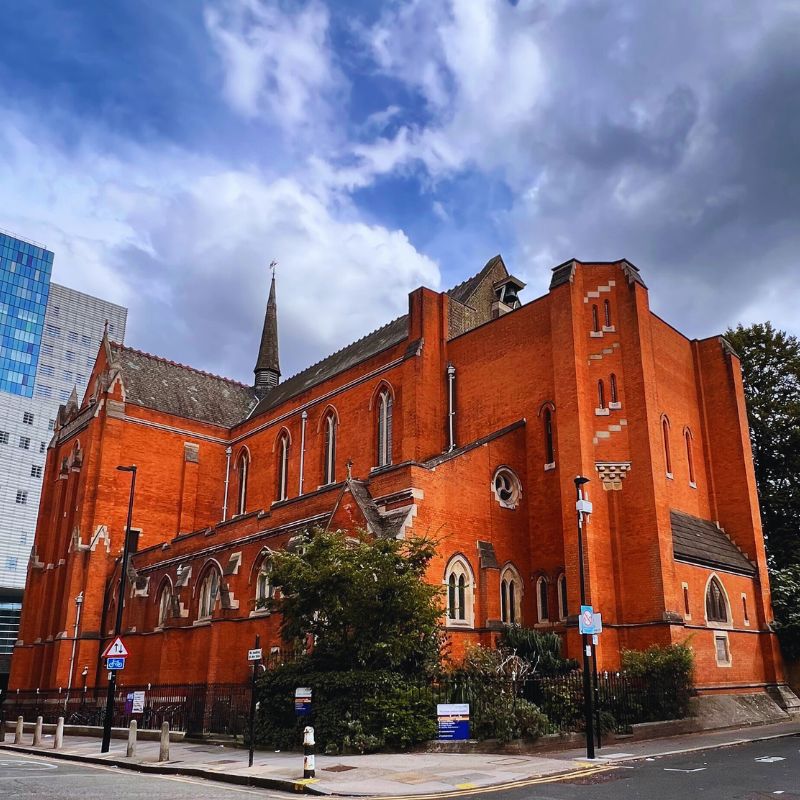
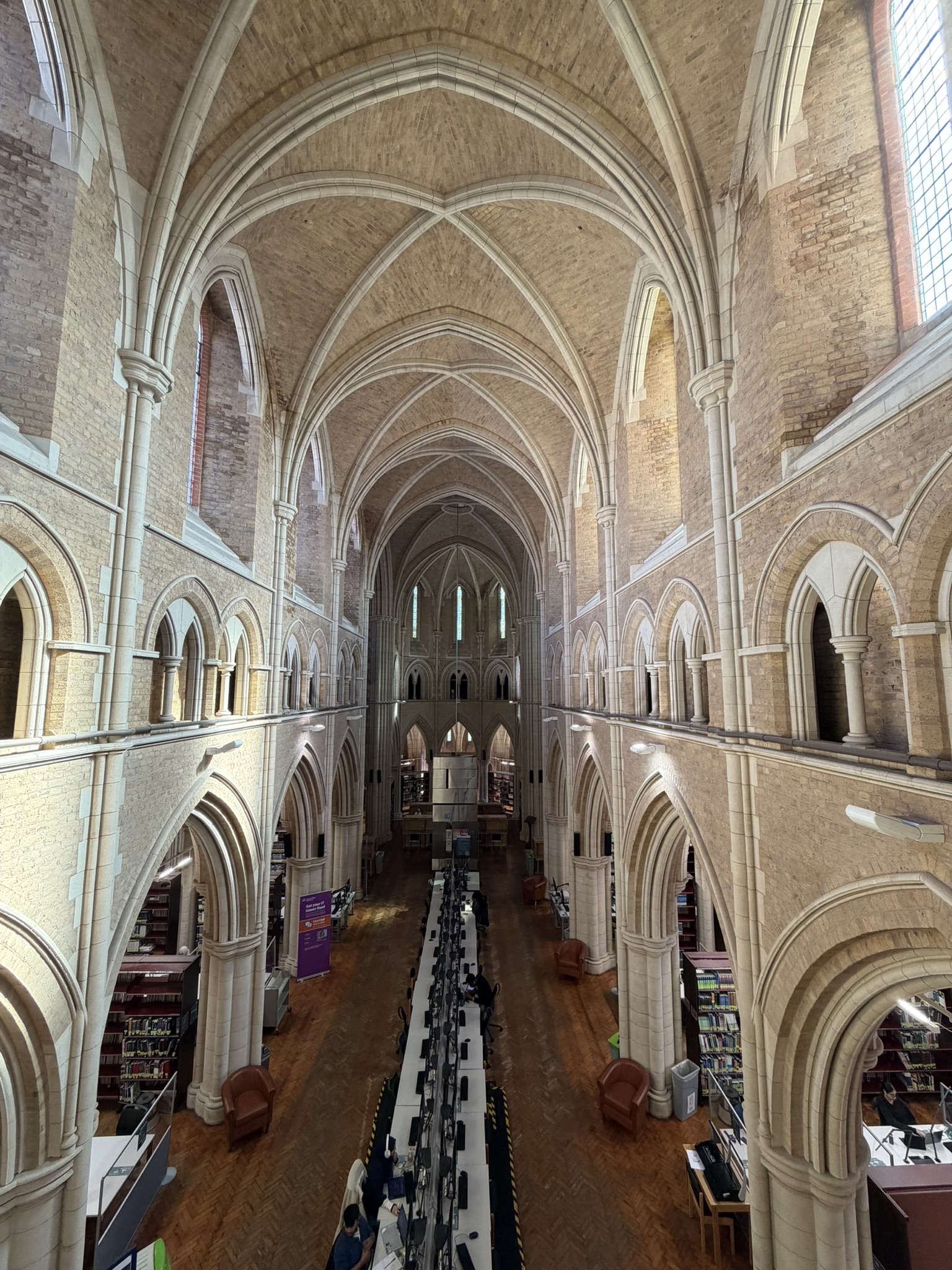
Whitechapel Library, previously known as St Philips Church, was built in 1818.The building was listed Grade II* in 1950 and changed use in 1985 from a church to a medical and dental library for the London Royal Medical College.
This beautiful example of Gothic architecture is in excellent condition but requires amendments to allow for its continued use and preservation.
One area of work is the installation of a cable line at each roof level to allow safe, easy access for maintaining the external façade and roof.
A typical approach would be to strengthen the existing structure with structural steelwork to carry the additional loads.
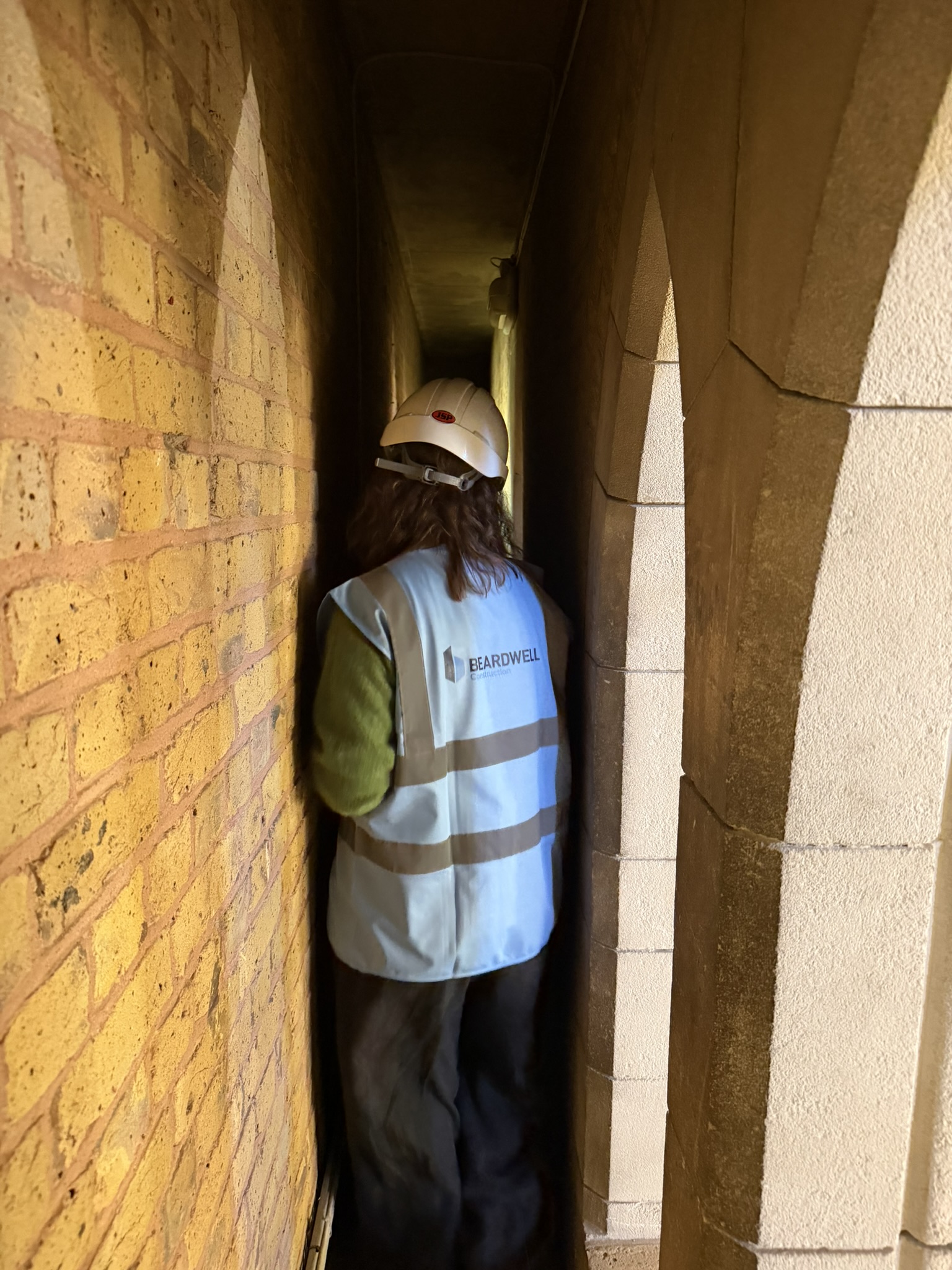
However, access to the upper levels of the building is restricted – windows are small and internal corridors are very narrow.
Bringing large steelwork onto site would require significant alterations to the existing structure and architecture, or risk causing damage to the historic fabric.
Instead, restraint straps have been specified to tie the existing timbers together, carrying the additional loads and providing fixing points for the cable line connections.

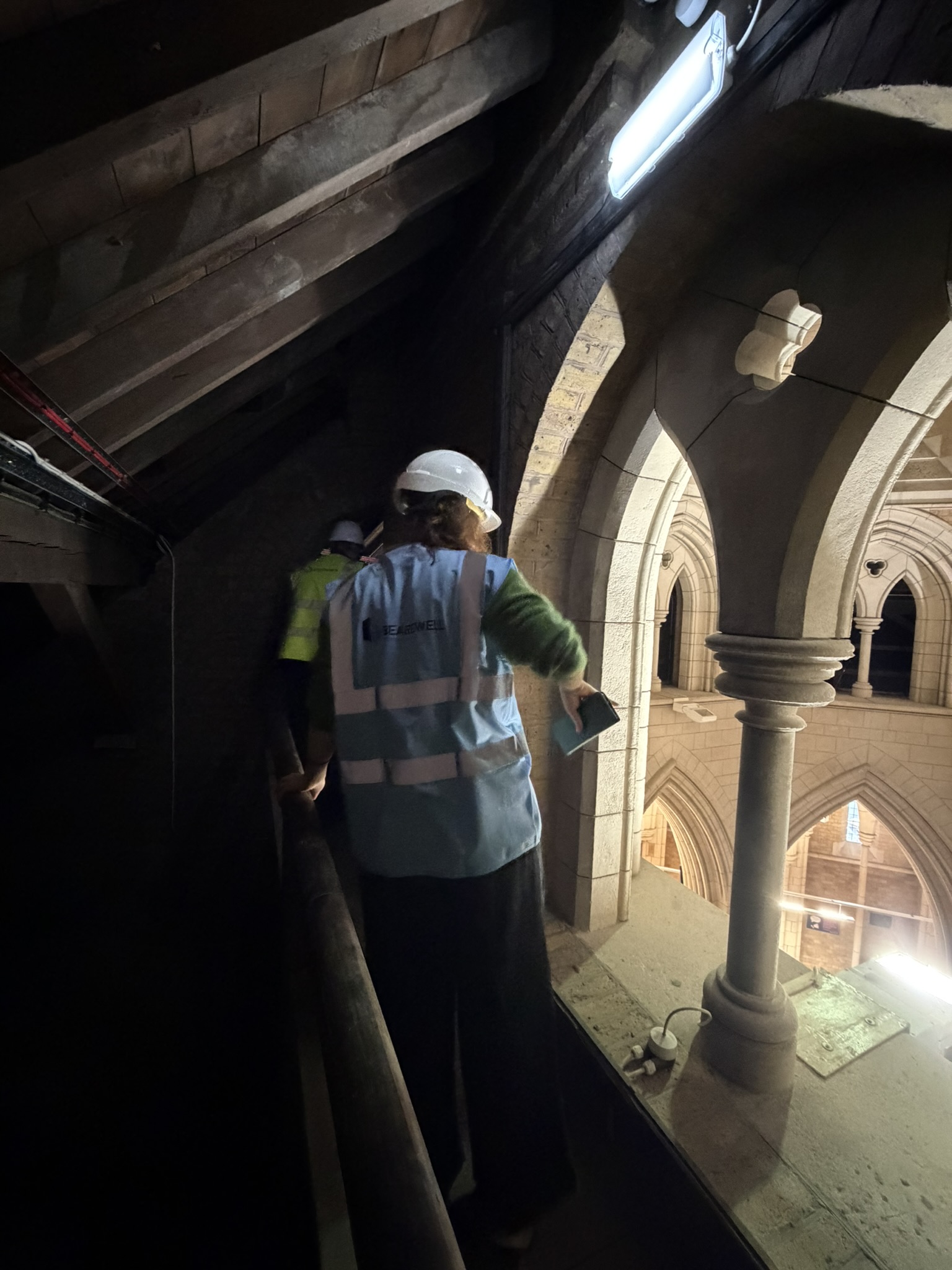
Further works are taking place at eaves level. To allow access to the new cable line, roof dormers will be inserted on either side of the building. There is currently a timber walkway spanning over the vaulted ceiling to reach the existing roof dormer; this will be extended and strengthened to serve the additional openings and a handrail inserted to provide stability for those walking along it.
Part of the walkway is supported by the vaulted roofs, but the majority is supported from the roof trusses. The challenge for us is to insert the new structure without loading the historic vaulted ceiling.
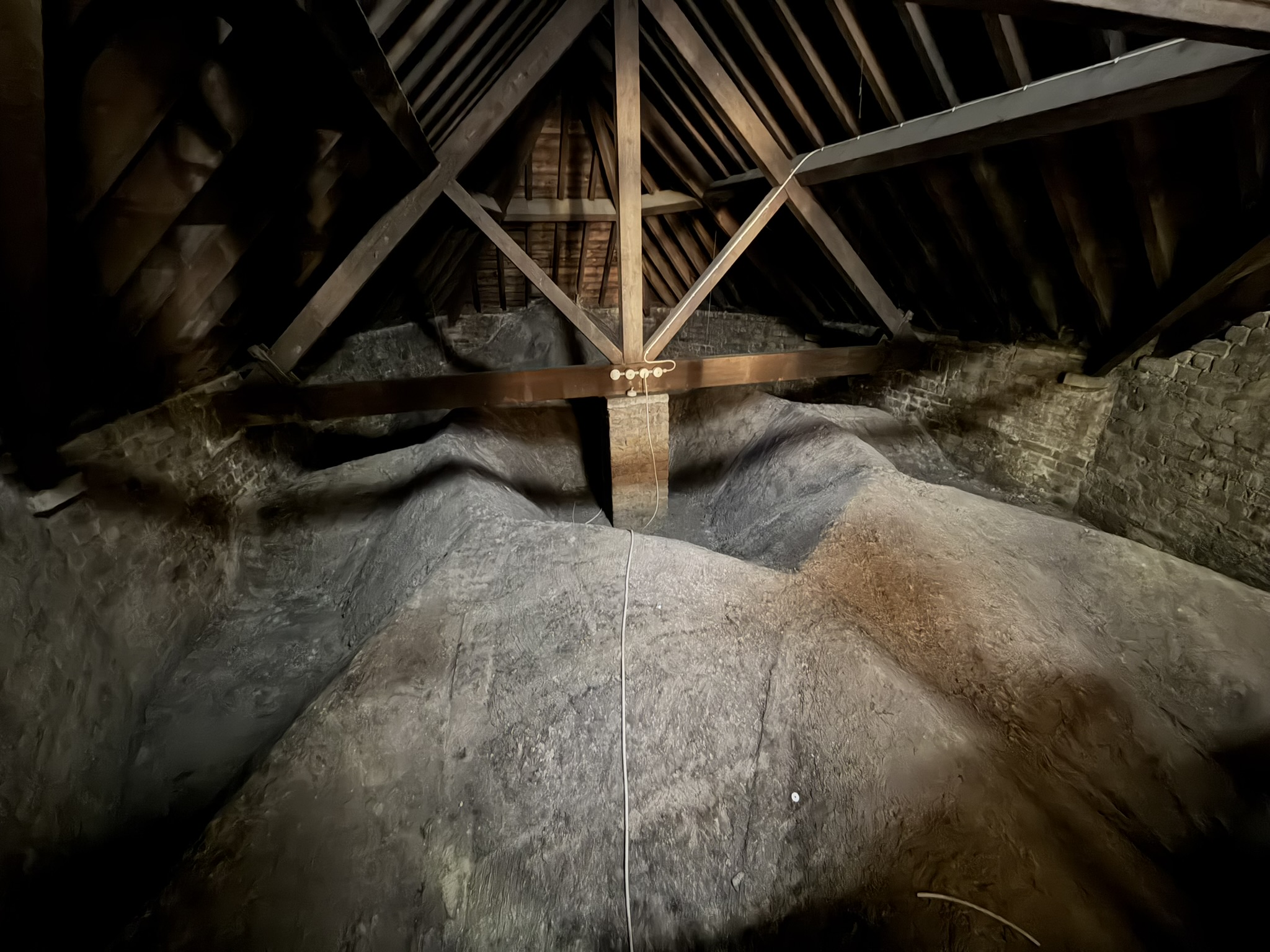

Our aim is to reuse what is already there, adopt a light-touch approach, and respect both the appearance of the building and its original construction methods.
The solid construction – built over 200 years ago – is something we are working with.
Close coordination with Historic England is required given the building’s listed status. Discussions to date have been positive, with support for the proposed approach and its minimal level of intervention.