The types and scales of projects we work on has changed since we first started SD 10 years ago. And this year the team has been kept busy delivering exceptional projects with many first-class client, design and construction teams.
We have successfully submitted for Gateway 2, designed and built complex retrofit and vertical extension schemes, expanded our residential land development offering with a number of schemes including a new 1500 unit housing project and associated civil engineering works, developed our industrial and storage facility capability, and designed to successfully navigate significant challenges and constraints across London and the UK.
Below is a small project selection from 2025.

97 Peckham Road, London:
A new storage facility development on a brownfield site in Southwark. Our scheme includes a double-storey basement and five storeys of storage space above. This site is on a busy high street, surrounded by residential buildings, with a large Thames Water sewer along one boundary. Our client has adopted a different approach to storage facilities by making them more easily accessible and ensuring high quality architecture.
We are appointed to deliver the full design to construction, with Stage 2 information recently submitted.
Client: Compound Real Estate
Architect: Architecture 00

New Cross Road, London:
A mixed-use, 11-storey building providing a double-height church, community spaces, and residential accommodation. The site presents significant challenges and constraints, including highways on two sides, a neighbouring development, and the proposed Bakerloo Line extension 11m directly beneath – placing strict limits on where and how foundations could be built. We opted for a piled raft solution to reduce concrete volumes, lower embodied carbon, and offer significant cost savings without compromising stiffness or safety.
New Cross Road was submitted for planning this year.
Client: Christ Faith Tabernacle International Churches
Architect: AWW
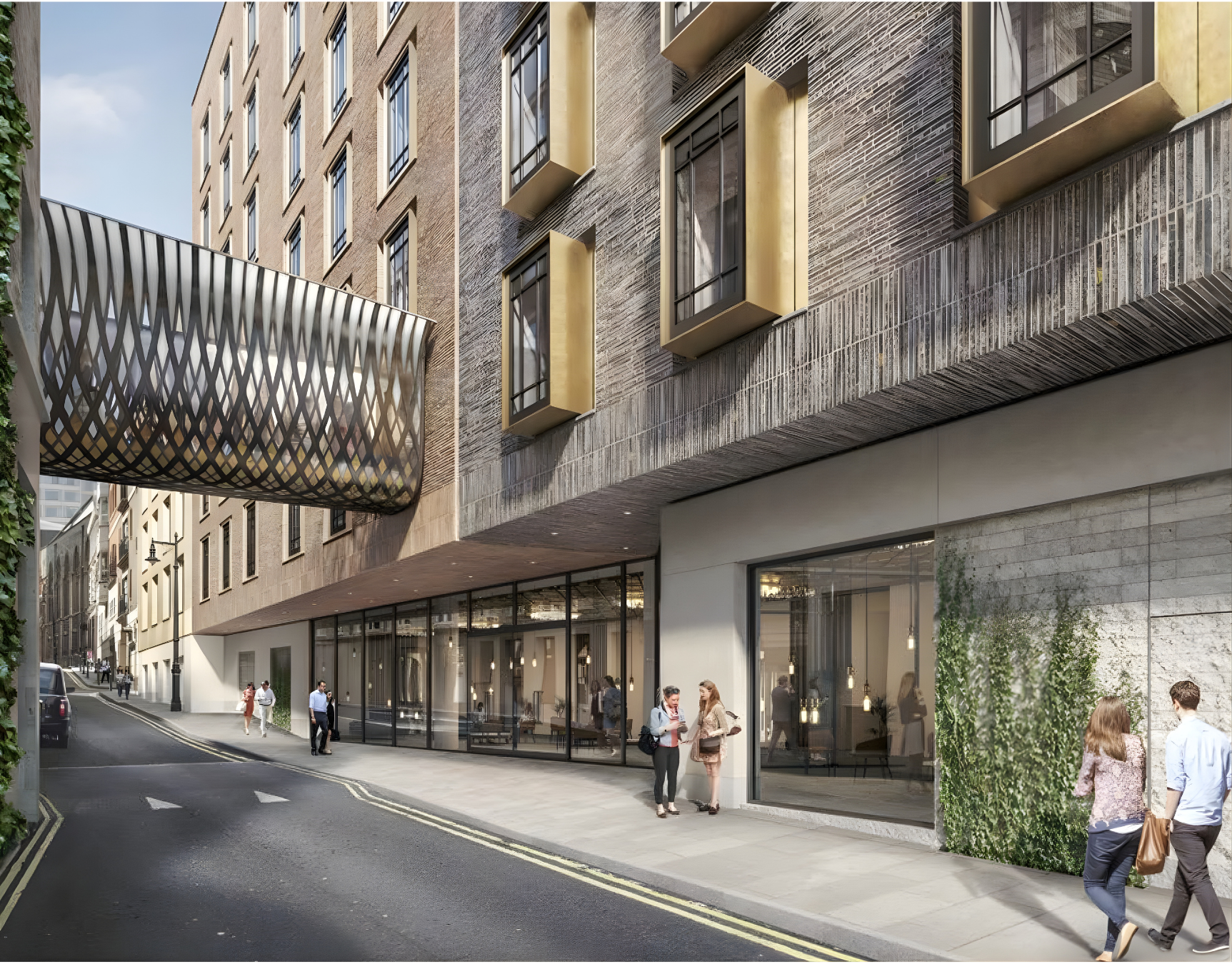
Residence Inn, Brick Street, London:
A 135-bedroom hotel and event spaces, split over eight storeys, provides an extension to the main Grade II listed hotel on a very constrained site in the heart of the Mayfair conservation area. A double-storey basement links the two buildings together via an underground tunnel. A key driver of the brief was to minimise the amount of excavation – from an environmental point of view, and from a cost perspective. Poor ground conditions, high water table, and soft deposits caused further complexities. Our previous experience combined with thorough site investigations have reduced the amount of materials required, which in turn has lowered costs and carbon, and sped up the construction programme.
The Stage 3 Enabling Works Package has been delivered.
Client: Private
Architect: EPR Architects

West India Dock, London:
A derelict public house has been replaced with a nine-storey residential building. Our scheme involved deepening the existing cellar to form a full height single-storey basement to maximise available space. The site is relatively small – roads, a car park, and residential neighbours surround it – and so buildability was a key consideration of our design. To reduce construction complexities, we developed an underpinning sequence which re-used the temporary supports for the permanent works, used couplers to connect the steel reinforcement as standard rebar lengths would be unworkable at this site, and utilised the piled raft with the RC core to provide stability. This solution ultimately reduced waste, saved carbon, and resolved several construction-stage concerns.
West India Dock topped out earlier this year.
Client: West Ferry Arms Limited
Architect: Scapolan Burney
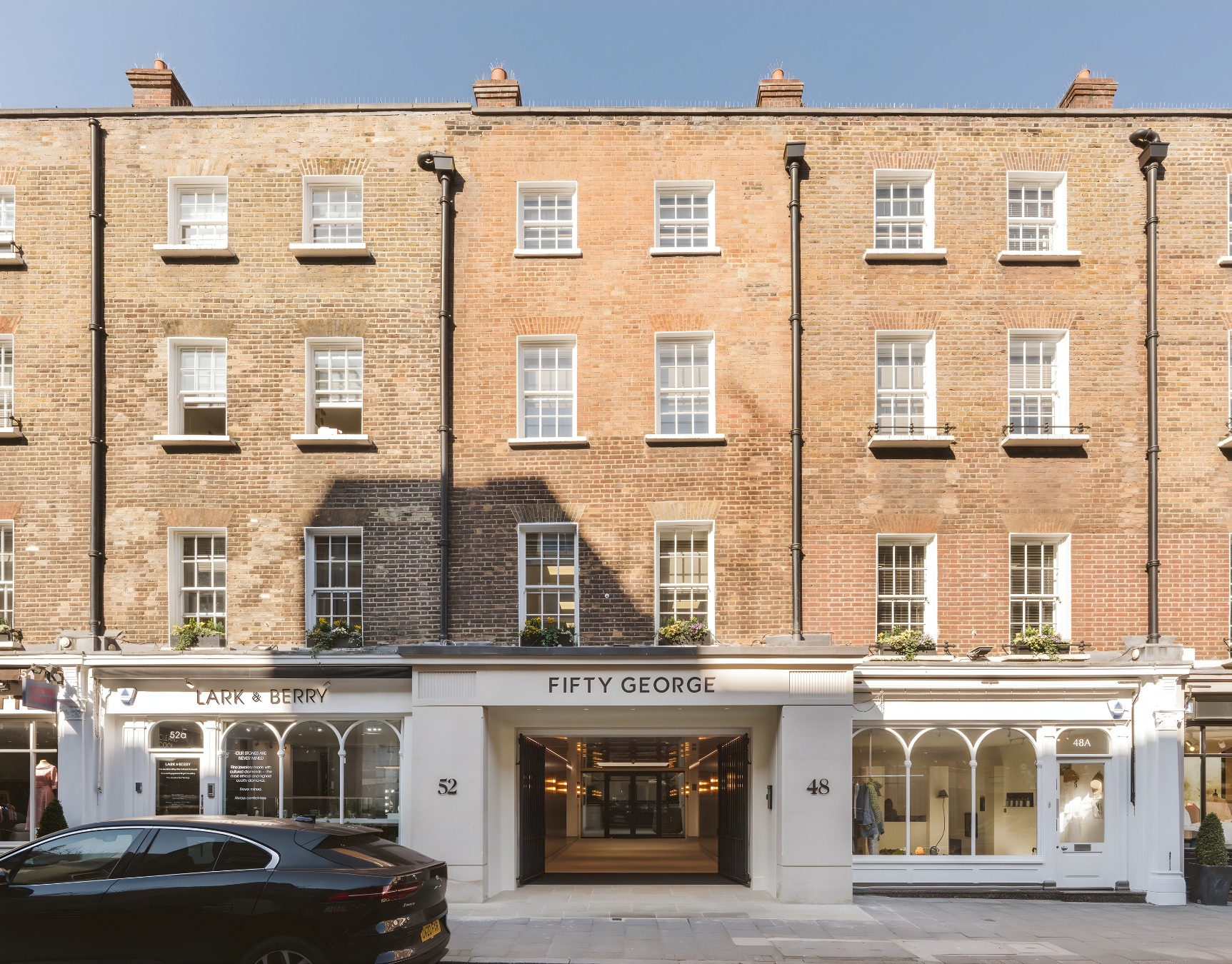
George Street, London:
The full refurbishment and vertical extension of a four-storey office building, with a two-storey basement, in the heart of Marylebone. The existing concrete and original steelwork were strengthened with additional steel where required to support the rooftop extension. We undertook investigation of the existing structure and ground conditions to verify minimal strengthening was required to cater for the additional loads, leading to a reduced cost, embodied carbon amount, and removed complexities during the build.
This phase of work achieved Practical Completion at the beginning of 2025, and we have subsequently been appointed to deliver the fit-out of the lower floors – currently in design.
Client: Loftus Family
Architect: Anomaly Architects
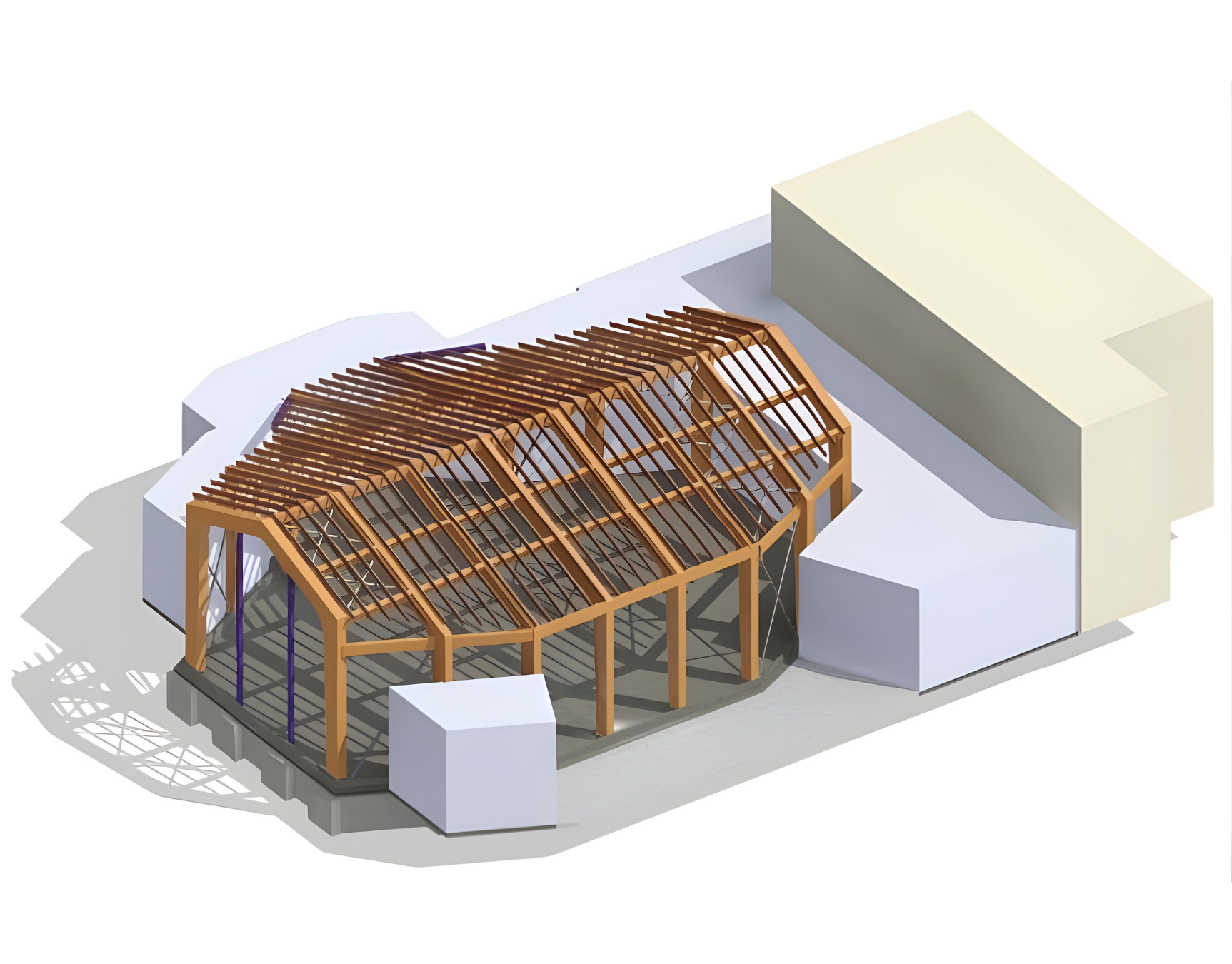
The Beacon Auditorium, Horley:
A glulam portal frame building will create a large auditorium space and connect to an existing building on site, which the Horley Baptist Church currently occupies. To aid efficiency, we are reviewing if the existing foundations can be reused for the new structure and investigate where the two connect to understand if, and how, the new structure can support the loads from the existing.
We have issued Stage 2 information and will be commencing Stage 3 design imminently.
Client: Horley Baptist Church
Architect: CPL Architecture

Peckham Watch Factory, London:
An underutilised industrial building will be transformed into a purpose-built space for a London watchmaker. The existing structure will be retained where possible, including the original gable walls, with a new level inserted to accommodate the specific requirements of watchmaking. A north-facing saw-tooth roof will provide optimum daylight for intricate work, and a central atrium will ensure natural light reaches both levels and all corners of the building.
Our proposals are currently in planning, with work expected to start on site in 2026. The project won the NLA Workplaces Award 2025.
Client: London Watchmaker
Architect: Cooke Fawcett
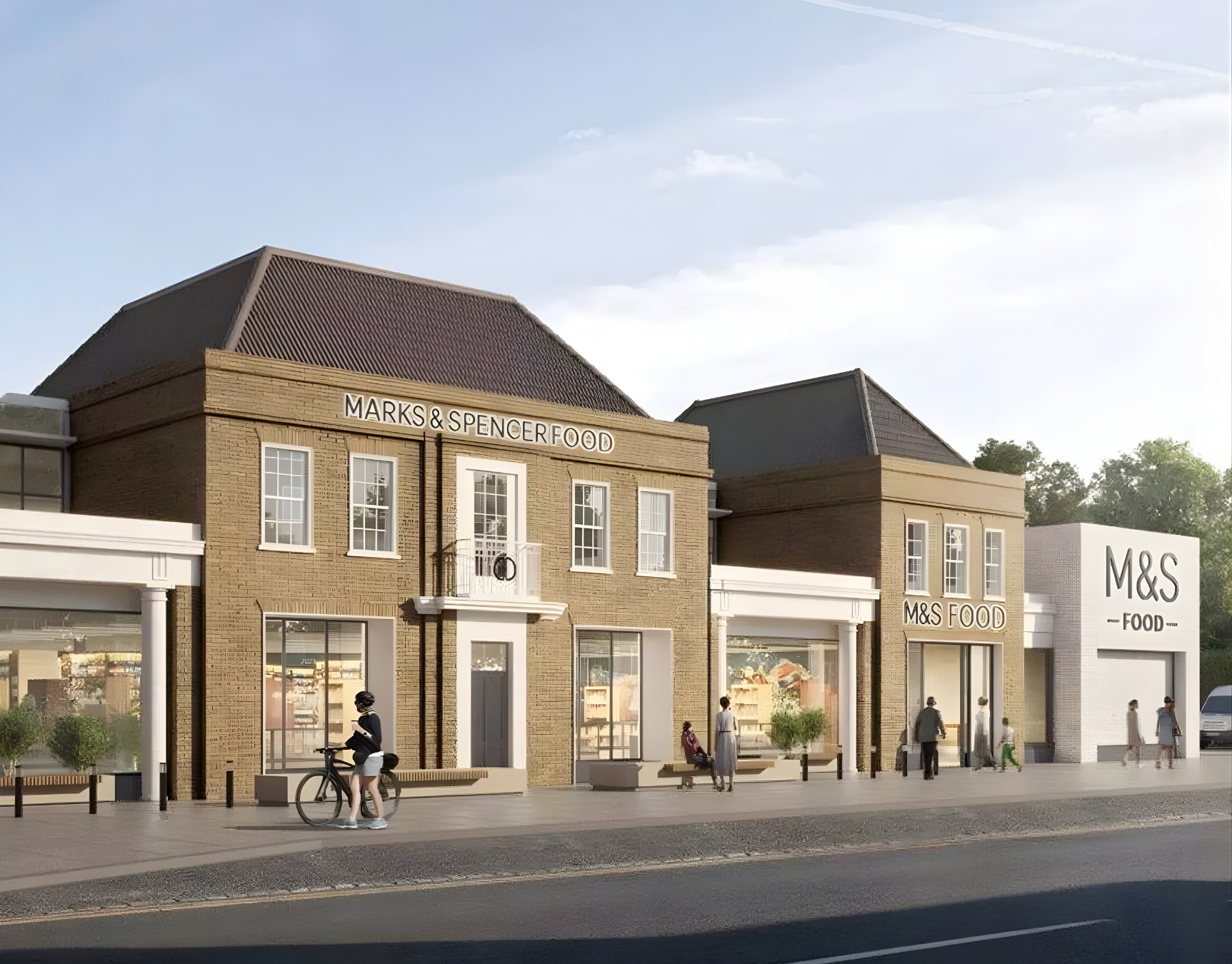
Marks & Spencer, Purley:
An existing 1930s dairy depot is being redeveloped into a mixed-use retail space with a supermarket, visitor car park, and industrial storage at the rear. The façade will be retained, and investigations will identify if the current ground floor slab and footings can also be retained while inserting new isolated structures to cater for the vertically extended loads.
Stage 3 design was issued this year, with SD appointed to Construction stage.
Client: Grove Property
Architect: 3W Architects
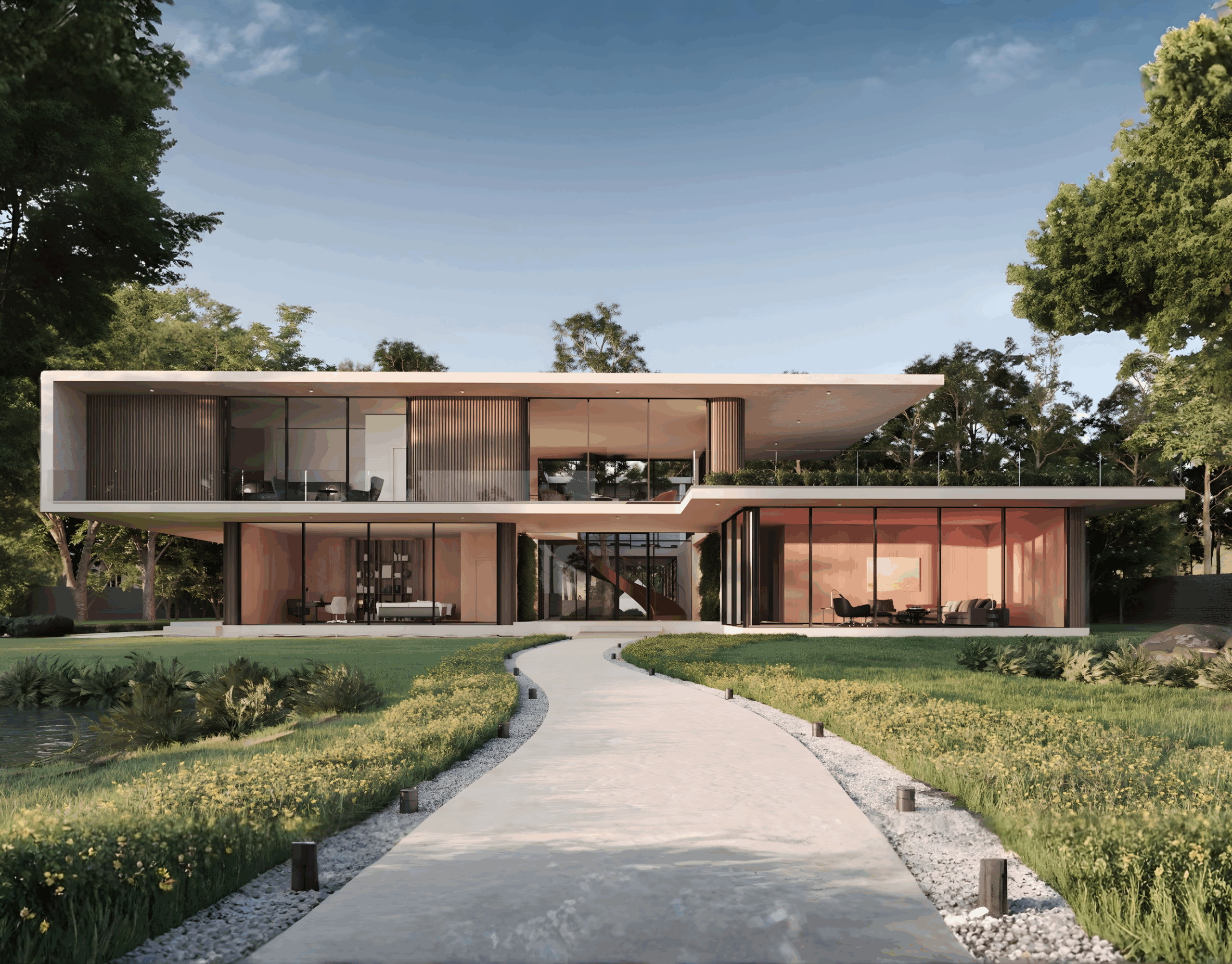
Eden House, Ascot:
This large house within the London Green Belt required many design iterations to ensure planning permission was granted while meeting the needs of the client and achieving the architectural aspirations. The basement space at Eden House is currently being excavated and once completed will house a car showroom, cinema, gym, and a car lift. The build will use modern technology to lower its operational embodied carbon.
Works have started on site, and expect to complete in 2026.
Client: Private
Architect: WindsorPatania Architects